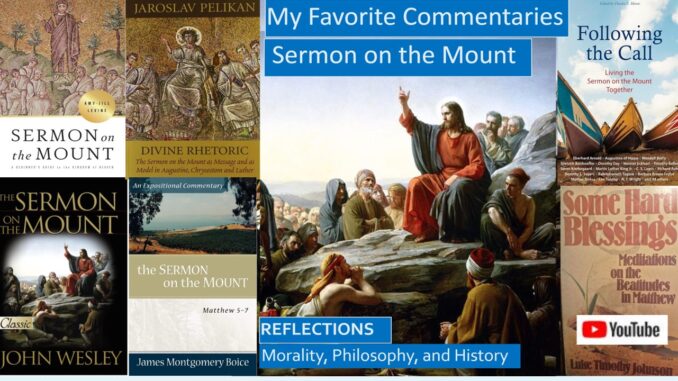
We will consult these commentaries when we reflect on the Beatitudes and the Sermon on the Mount. These comment on the Beatitudes in Matthew; while the version in Luke differs, it is known as the Sermon on the Plain. The Beatitudes differ. While in Matthew the first Beatitude is Blessed are the Poor in Spirit; in Luke the first Beatitude is Blessed are the Poor. Also, Luke’s Beatitudes have contrasting woes, such as Woe to You Who are Rich.
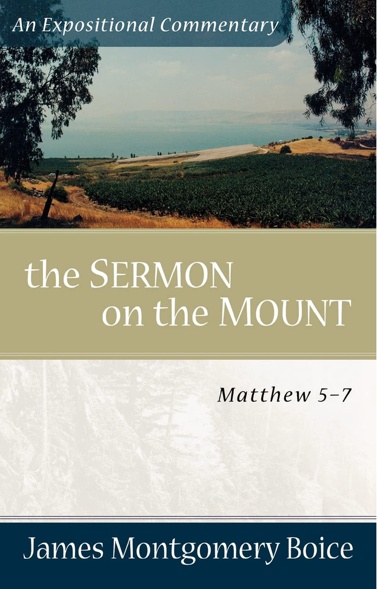
The Presbyterian James Boice is my favorite modern commentator, next to CS Lewis. James Boice writes commentaries that are both devotional and scholarly. For example, he points out that Aristotle defined meekness as the mean between apathy and anger.
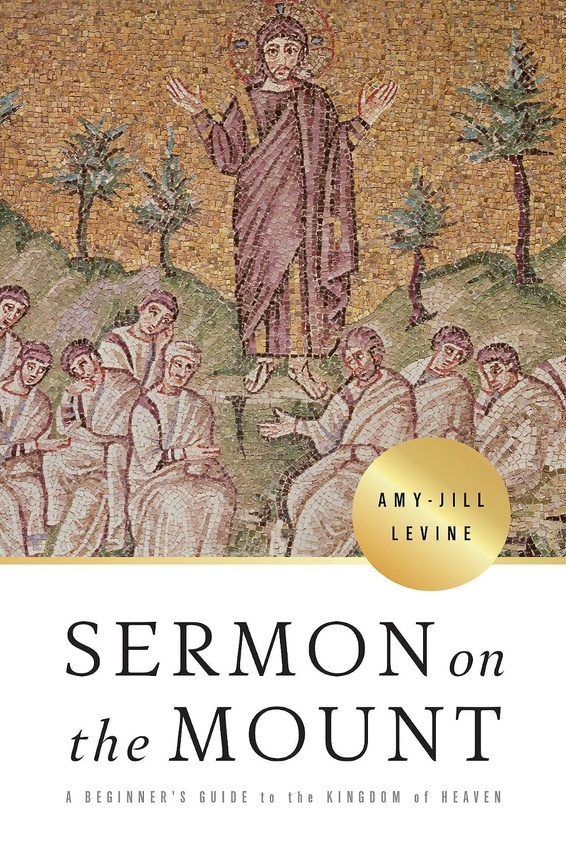
Dr Amy-Jill Levine is a Jewish Great Courses professor who specializes in New Testament studies, battling anti-Semitism and reflecting on what the Gospels reveal about Judaism in Jesus’ time. Her observations often draw from Jewish sources unfamiliar to most Christian scholars.
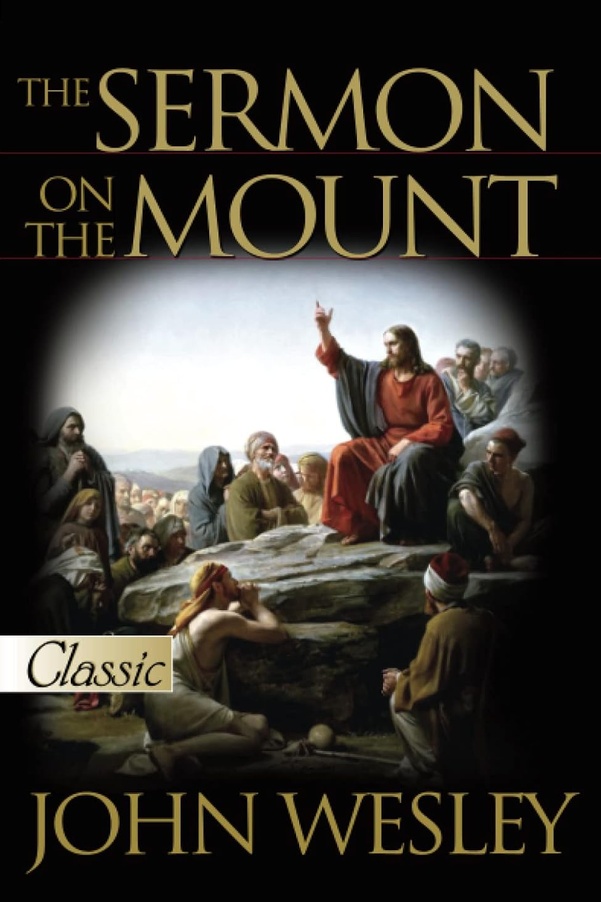
John Wesley, founder of the Methodist movement, penned an inspiring commentary on the Beatitudes and the Sermon on the Mount.
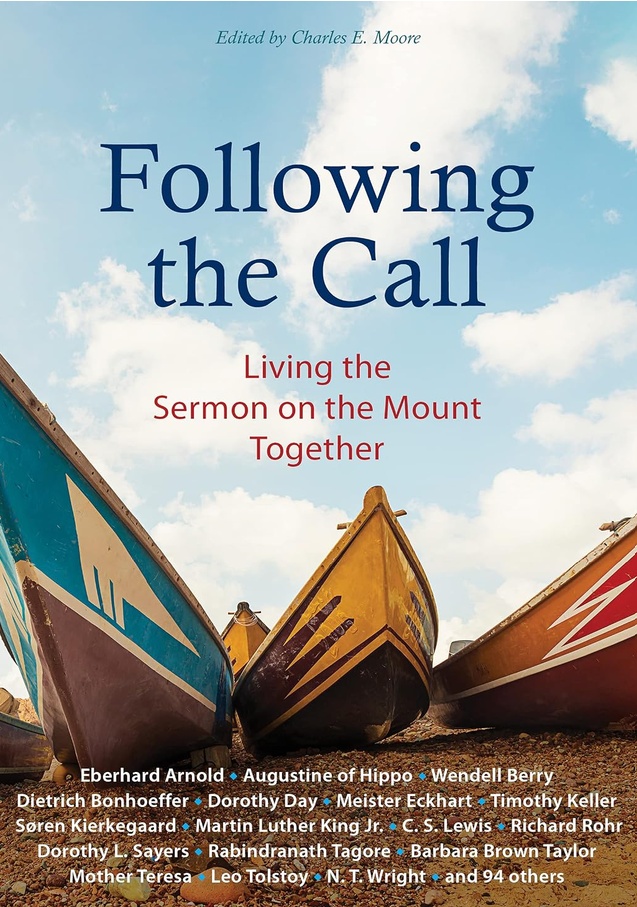
Following the Call includes excerpts from commentaries by Church Fathers, Reformed preachers, and modern commentators on the Sermon on the Mount.
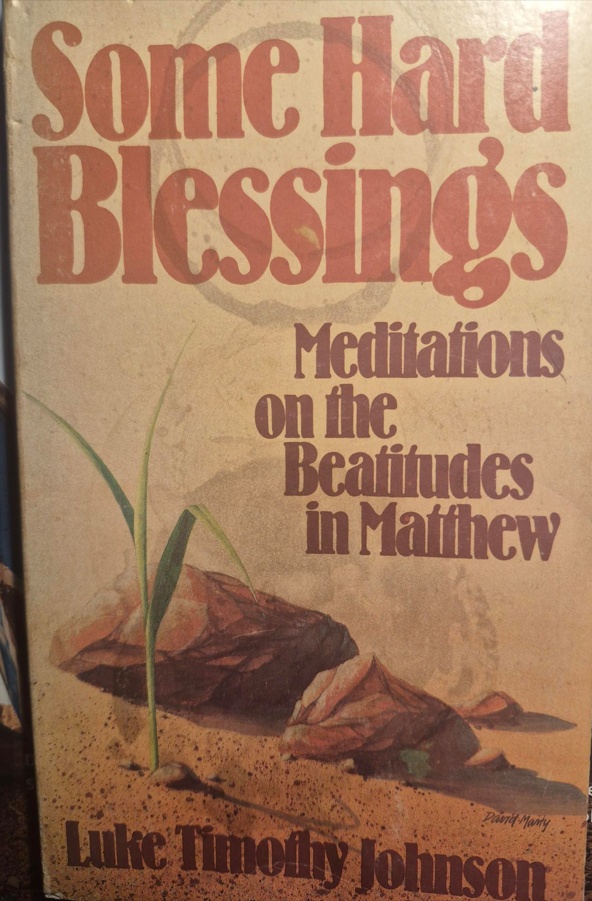
Luke Timothy Johnson, a Great Courses professor and former Catholic priest, has an excellent commentary on the Beatitudes.
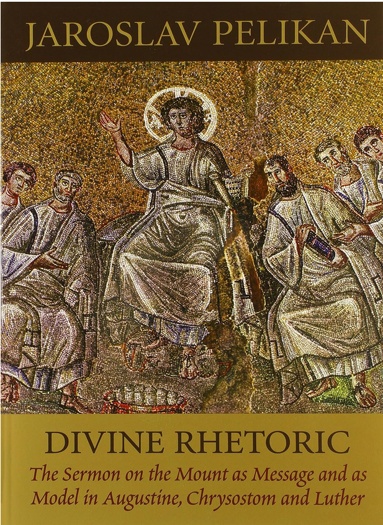
Jaroslav Pelikan, author of a famous five-volume history of Christian Doctrine, penned Divine Rhetoric as applied to the Sermon on the Mount, comparing works by St Augustine, St John Chrysostom, and Martin Luther. Unlike the other commentaries, this is not a verse-by-verse commentary. We look forward to studying this study on how the Gospels reflect the ancient studies of rhetoric by Aristotle and Roman Stoics like Cicero.
The Nicene Church Fathers also include a commentary by St Augustine on the Sermon on the Mount, and a commentary on the Book of Matthew by St John Chrysostom. We recommend that you purchase these DVD volumes from the Christian Book Distributor, which we discuss in our reflection on How to Read the Ancient Works from the Early Church Fathers. [1]
St Augustine’s commentary on the Sermon on the Mount and St Gregory of Nyssa’s commentary on the Beatitudes are referenced by the Catholic Catechism’s reflections on the commandment, Do Not Envy.
St Augustine on the Beatitudes from His Treatise, Our Lord’s Sermon on the Mount
https://youtu.be/xZeDjusUwPg
http://www.seekingvirtueandwisdom.com/st-augustine-on-the-beatitudes/
St Gregory of Nyssa, Beatitudes, Blog 2, Blessed are the Poor in Spirit
http://www.seekingvirtueandwisdom.com/st-gregory-of-nyssa-beatitudes-blog-2-blessed-are-the-poor-in-spirit/
St Gregory of Nyssa, Beatitudes, Blog 3, Blessed are the Meek and Those Who Mourn
http://www.seekingvirtueandwisdom.com/st-gregory-of-nyssa-beatitudes-blog-3-blessed-are-the-meek-and-those-who-mourn/
St Gregory of Nyssa, Beatitudes, Blog 4, Blessed are the clean of heart and the merciful
http://www.seekingvirtueandwisdom.com/st-gregory-of-nyssa-beatitudes-blog-4-blessed-are-those-who-do-not-envy/
St Gregory of Nyssa, Beatitudes, Blog 5, Blessed are the Peacemakers and the Persecuted
http://www.seekingvirtueandwisdom.com/st-gregory-of-nyssa-beatitudes-blog-5-blessed-are-the-peacemakers-and-the-persecuted/
St Gregory Of Nyssa, on the Beatitudes, and the Commandment, DO NOT ENVY
https://youtu.be/xaqFTPgoDI0
We include many commentaries on the Book of Matthew in my Reflection of My Favorite Commentaries on the Old and New Testaments. We have a sister reflection on Biblical Interpretation: How the Ancient World and the Modern World Differ.
Catholic, Orthodox, Protestant, and Jewish Bible Translations, Commentaries, and Cultural Backgrounds
https://youtu.be/stlcAGgLhhg
https://seekingvirtueandwisdom.com/catholic-orthodox-protestant-and-jewish-bibles-commentaries-and-cultural-backgrounds/
Biblical Interpretation: How the Ancient World and Modern World Differ
https://youtu.be/rSSF3Wq6Bsw
https://seekingvirtueandwisdom.com/biblical-interpretation-how-the-ancient-world-and-modern-world-differ/
This reflection on Biblical Interpretation also discussed St Augustine’s classical treatise On Christian Teaching, aka On Christian Doctrine, plus our other key reflections on interpreting Scripture.
St Augustine: On Christian Teaching, aka On Christian Doctrine, How To Read Scripture
https://youtu.be/uQCnAJMPoos
http://www.seekingvirtueandwisdom.com/st-augustine-on-christian-teaching-how-to-read-scripture/
[1] https://en.wikipedia.org/wiki/Nicene_and_Post-Nicene_Fathers

Be the first to comment